Supplying the finest natural plant extracts to the world
Let Mother Nature nurture you, heal you, and console you
प्रकृतिर् एव चिकित्सायाः मूलं हि परमा मता |
औषधानि तु साहाय्यं, न तु मूलं कदाचन ||
Prakṛtir eva cikitsāyāḥ mūlaṁ hi paramā matā |
Auṣadhāni tu sāhāyyaṁ, na tu mūlaṁ kadācana ||
This Sanskrit verse explains the philosophy of Ayurveda, which means healing comes from aligning with nature, not just from external medicine, and emphasises the wisdom of nature (prakṛti) as the foundation of wellness
As the ancient Greek physician Hippocrates said, “You are what you eat.” At Eminus, we wholeheartedly believe in this principle and recognise the importance of producing high-quality natural plant extracts for medicine, food, and cosmetics. While focusing on quality, our innovative cooperative business model grants us access to top-notch research infrastructure, ensures optimal extraction methods, and maintains efficient operations. This guarantees the production of high-quality phytoextracts at competitive prices, with timely supply, adhering to globally accepted food safety management systems.
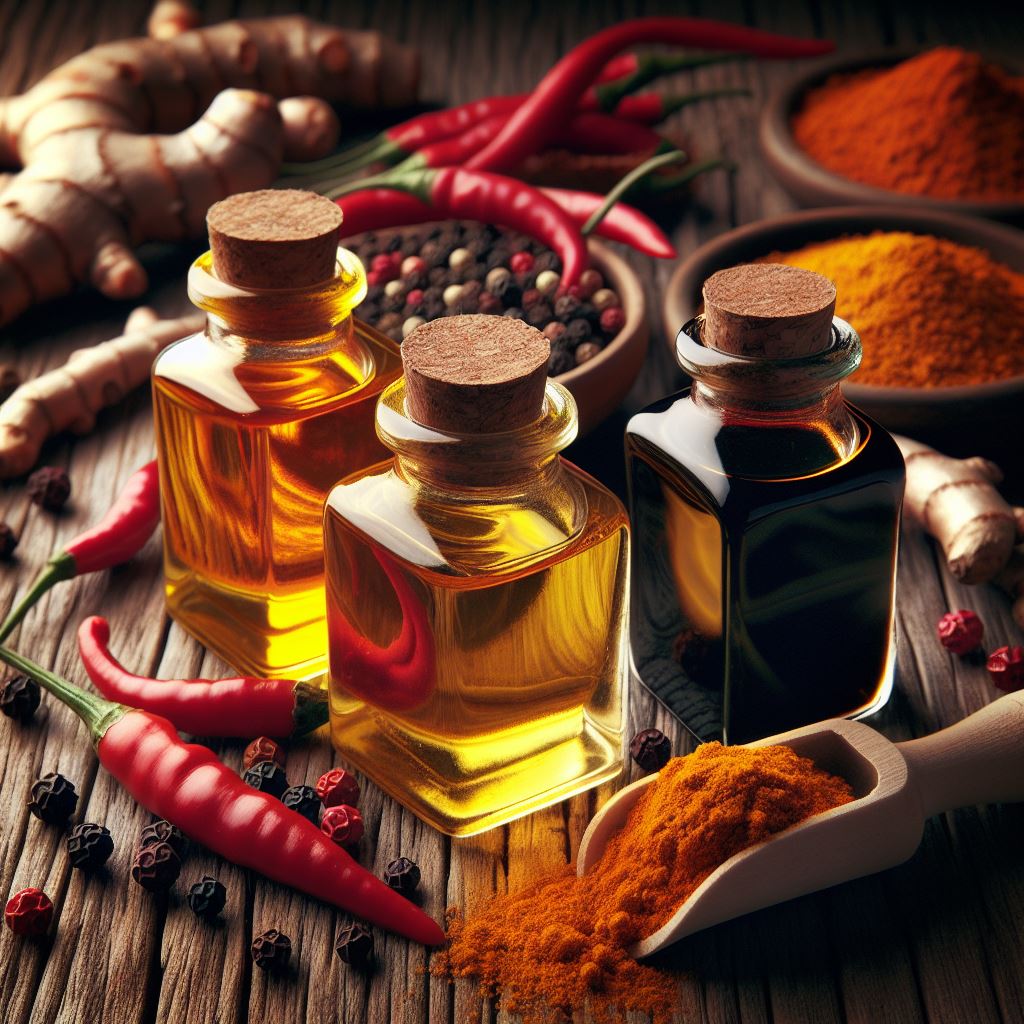
Spice Oleoresins
Spice oleoresins, the most concentrated essence of spices, capture the whole character of their source and serve as potent flavouring agents in the food industry. More economical, easier to control for quality, and cleaner than ground spices, oleoresins offer greater stability when heated than essential oils.
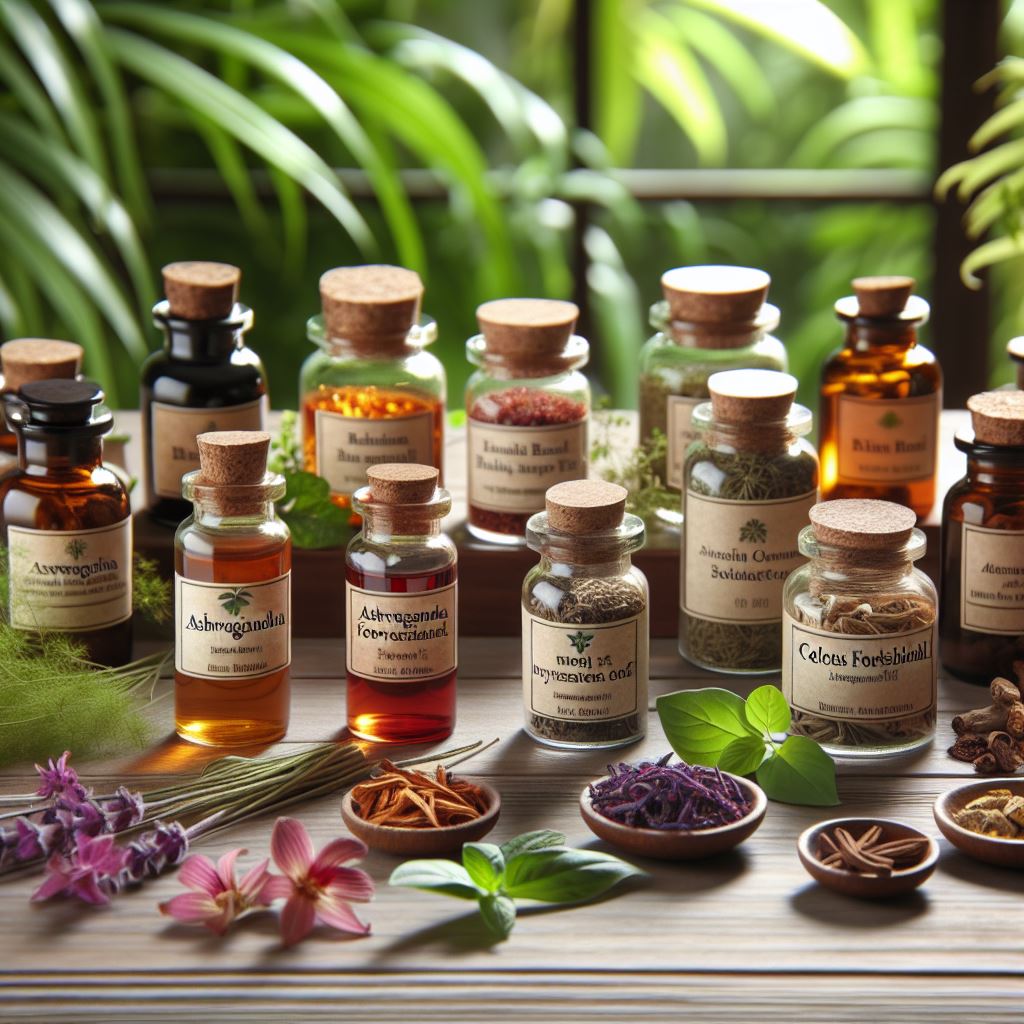
Medicinal plant extracts
The extraction of medicinal plants is the process of separating active plant materials, such as secondary metabolites (alkaloids, flavonoids, terpenes, saponins, steroids, and glycosides), from inert or inactive material using appropriate extraction procedures.

Essential oils
Essential oils, the essence of plants, capture their unique scent and flavour. These aromatic compounds are extracted by steam distillation, water extraction, or cold pressing, preserving their true nature. Chemically derived oils lack the purity of true essential oils, emphasising the importance of natural extraction methods.

Food colours
Plant pigments are nature’s flawless palette, holding the promise to replace synthetic dyes. Chlorophylls, carotenoids, anthocyanins, and betalains paint a vibrant spectrum, infusing foods with their rich, natural hues.

